















 teamwolf.kids · ages 8 to 12 ↗
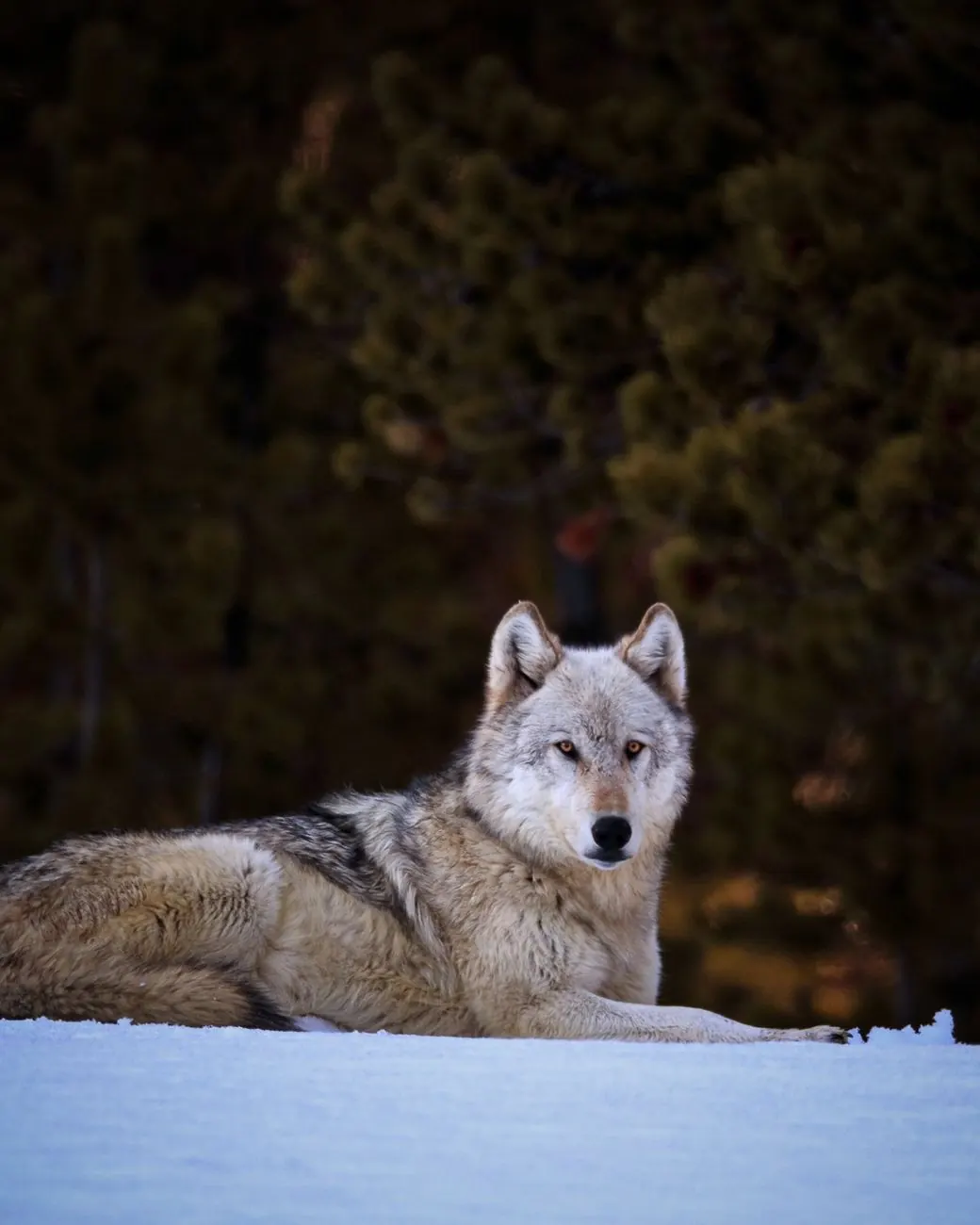
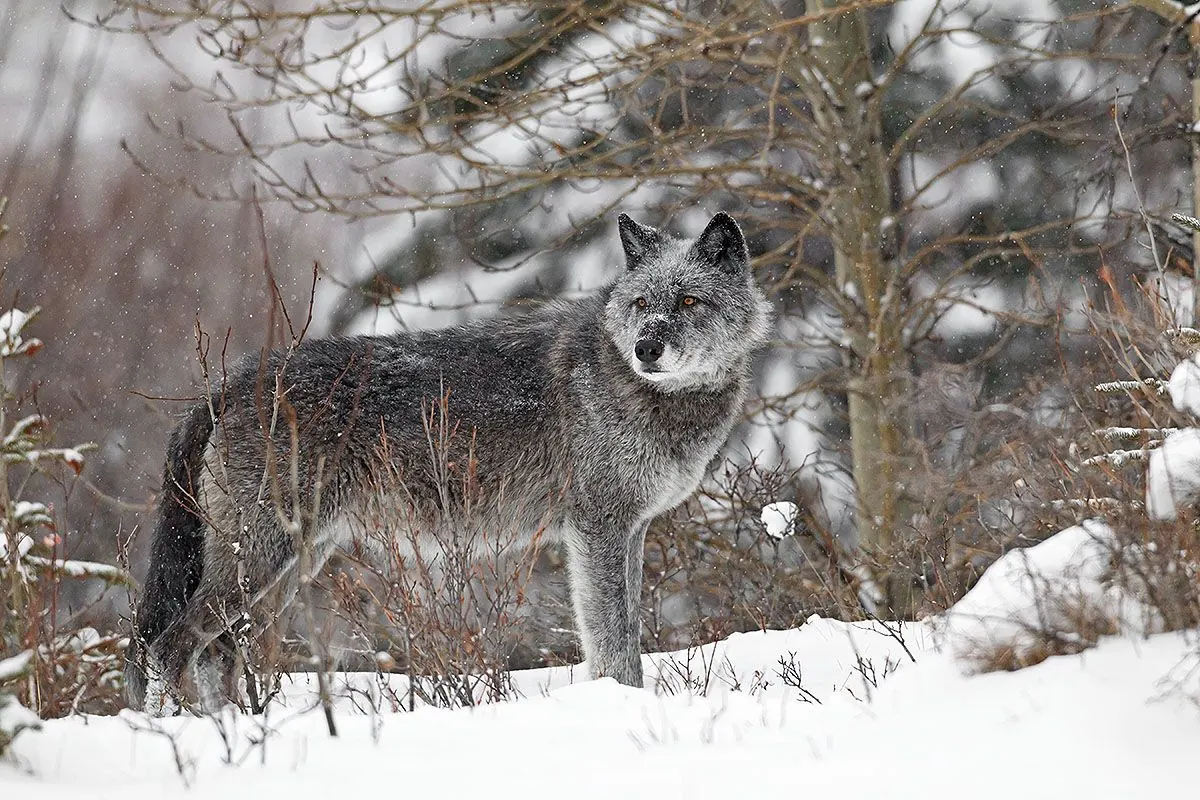
The Mexican Wolf is the smallest and most distinct Gray Wolf in North America. By the 1970s, government bounties and poisoning had wiped it out of the wild. In 1998, the first 11 captive-bred wolves were released in Arizona’s Apache National Forest. Every Mexican Wolf alive today descends from just seven founders.
At the end of 2025, at least 143 lived in Arizona and 319 across Arizona and New Mexico, the tenth year of growth in a row. It’s still a population short on genetic diversity, which leaves it exposed to disease and inbreeding.
Arizona’s wolves live under a special “experimental population” rule. Wolves can be killed or moved after repeated livestock attacks, and any wolf that wanders north of Interstate 40 is captured and brought back. Conservationists call the line arbitrary: it keeps wolves out of the Grand Canyon region and southern Utah, country scientists say could support them.
The Sept. 4 executive order asks whether Mexican Wolves have recovered. The recovery goal is an average of 320 wolves in the U.S. over eight years, plus 200 in Mexico. One year at 319 is not an eight-year average, and the Mexico goal hasn’t been met.