The independent Wolf Livestock Coalition created a guide to living with wolves for ranchers, written by ranchers. It guides them through programs in their state and nonlethal methods that better protect livestock than killing wolves.
What we ask of any state with authority over wolves. Advocating for reform in your state? Start with these when you write or call your lawmakers.
01
No mandatory wolf hunts after delisting.
When wolves are removed from the Endangered Species list, it should mark a milestone in recovery, not the immediate and irrational start of a slaughter.
02
A proactive, well-funded non-lethal strategy.
Effective wolf plans should focus on stewardship over management. States shouldn't wait for conflict—they should prevent it.
03
Full transparency and open access to wolf data.
The public has a right to know how wolves are stewarded: how many are on the landscape, how that number was reached, how many are killed each year, and why. Standardized monitoring and rigorous verification of livestock losses build the trust that recovery depends on.
One to your senators about H.R. 845. One to your representative about Section 125. Each takes under two minutes.
Call the Capitol switchboard at (202) 224-3121 and ask for your senator's or representative's office. Give your name and hometown, and your ZIP code if they ask. Then read the script.
Call 1 · Your two U.S. senators · H.R. 845
"Hi, my name is [NAME] and I'm from [CITY, STATE]. I'm calling to ask Senator [NAME] to oppose H.R. 845, which would remove Endangered Species Act protection from Gray Wolves and block the courts from reviewing it. It passed the House by seven votes and now sits in the Senate Environment and Public Works Committee. Please keep it there, and oppose any attempt to attach it to a spending bill."
Call 2 · Your U.S. representative · Section 125
"Hi, my name is [NAME] and I'm from [CITY, STATE]. I'm calling to ask Representative [NAME] to oppose Section 125 of H.R. 9171, the 2027 Interior spending bill. Section 125 would permanently remove protection from Gray Wolves nationwide and bar the courts from reviewing that decision. Please vote to strip it out."
If they ask why
Judicial review
H.R. 845 and Section 125 don't just delist wolves. Both bar the courts from reviewing the delisting. That's Congress settling a scientific question by statute and then removing the public's ability to test it in court. Even members who think wolves are recovered should object to that.
Ecosystems
Gray Wolves are a keystone species—they keep whole ecosystems in balance. They support biodiversity, limit the spread of chronic wasting disease, make roads safer by keeping deer and elk moving, and drive millions in outdoor tourism revenue every year.
Livestock
Wolves account for less than 1% of livestock deaths, and research finds nonlethal deterrents more than 2.5× as effective as killing wolves at reducing conflict. If Congress wanted to help ranchers, it would fund what works.
Heritage
Wolves are part of our American story. From Yellowstone to the Great Lakes, they belong on the landscapes that define our national identity—and the outdoor tourism economies those landscapes support.
05 · Talk to…
How to talk to anyone about wolves.
A friend, a rancher, a hunter, a representative, a kid.
Talk to a friend.
Most people like wolves but haven't followed the fight, so skip the jargon. Start here: wolves are the best representation of the success of the Endangered Species Act. They were one of the first animals it protected, and their comeback is one of its biggest wins. So the war on wolves is a war on the law itself. If Congress can take wolves off the list and stop the courts from checking its work, it can do the same to any species. Then one ask: it takes two minutes to sign the letter to Congress. Send them the link.
Talk to a rancher.
Start here: wolf advocates and ranchers will accomplish more as partners, not opponents. We want ranches to thrive with wolves on the landscape. Then the solutions: nonlethal deterrents that work, and fast, fair compensation when they don't—research finds prevention more than 2.5× as effective as killing wolves at reducing conflict. Send them the independent Wolf Livestock Coalition's guide.
Talk to a hunter.
We share more ground than either side admits: we love the outdoors and our country's beautiful landscapes. Most hunters also agree that fair chase and responsible conservation are hunting ethics, and trapping, denning, poisoning, and hounding fall outside them. Sport-killing isn't management—we oppose trophy hunting of wolves, not hunting itself. Cruelty is not conservation. And a healthy predator-prey balance means healthier herds. Ask them what their position is and really listen. Offer a different perspective using the science found on this site.
Talk to your representative.
Lead with process, not passion. Recovery decisions should follow the science-based process the Endangered Species Act already sets out, with accountability that makes recovery stick. There's no common sense in immediately killing a species as soon as it is declared recovered. Constituents across the aisle support practical, science-based wildlife policy. Well-funded nonlethal programs cut livestock losses and draw support from both parties. And wolves make roads safer and outdoor tourism richer—that's a leadership story worth owning.
Talk to a kid.
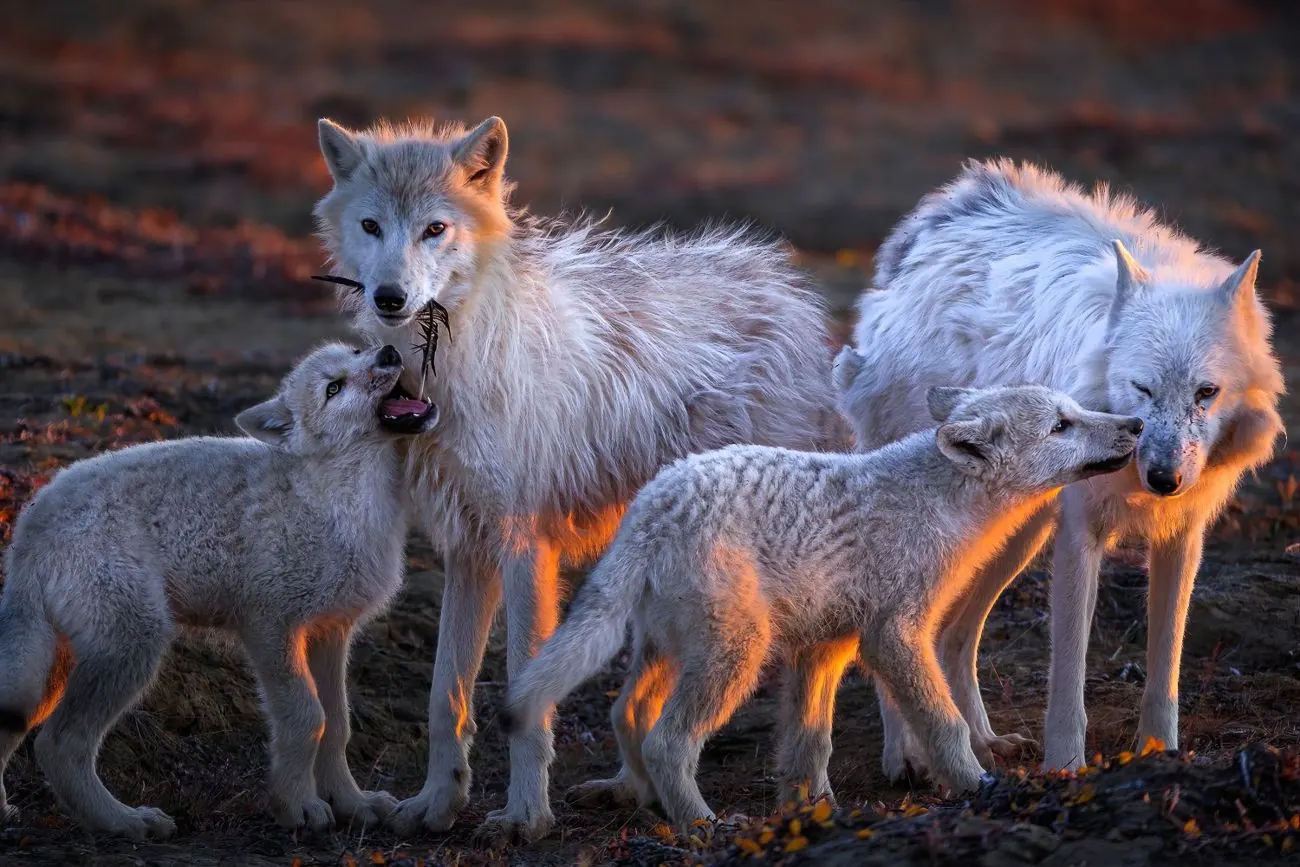
All dogs come from wolves—they still share more than 99.9% of their DNA with Gray Wolves, which makes your dog one of a wolf's closest living relatives. Wolves are family animals, like us: they live in packs, raise their pups together and look out for one another. When wolves are healthy, the forests and rivers around them are too. And this is a fight your generation can actually win. Introduce them, their teachers, and parents to the Cub Hub!
06 · Letters and comments
How to write a letter or public comment.
Lawmakers and wildlife agencies get a flood of letters and comments, so keep yours short and specific. A template makes it easy to hit submit, but a few lines in your own words stand out.
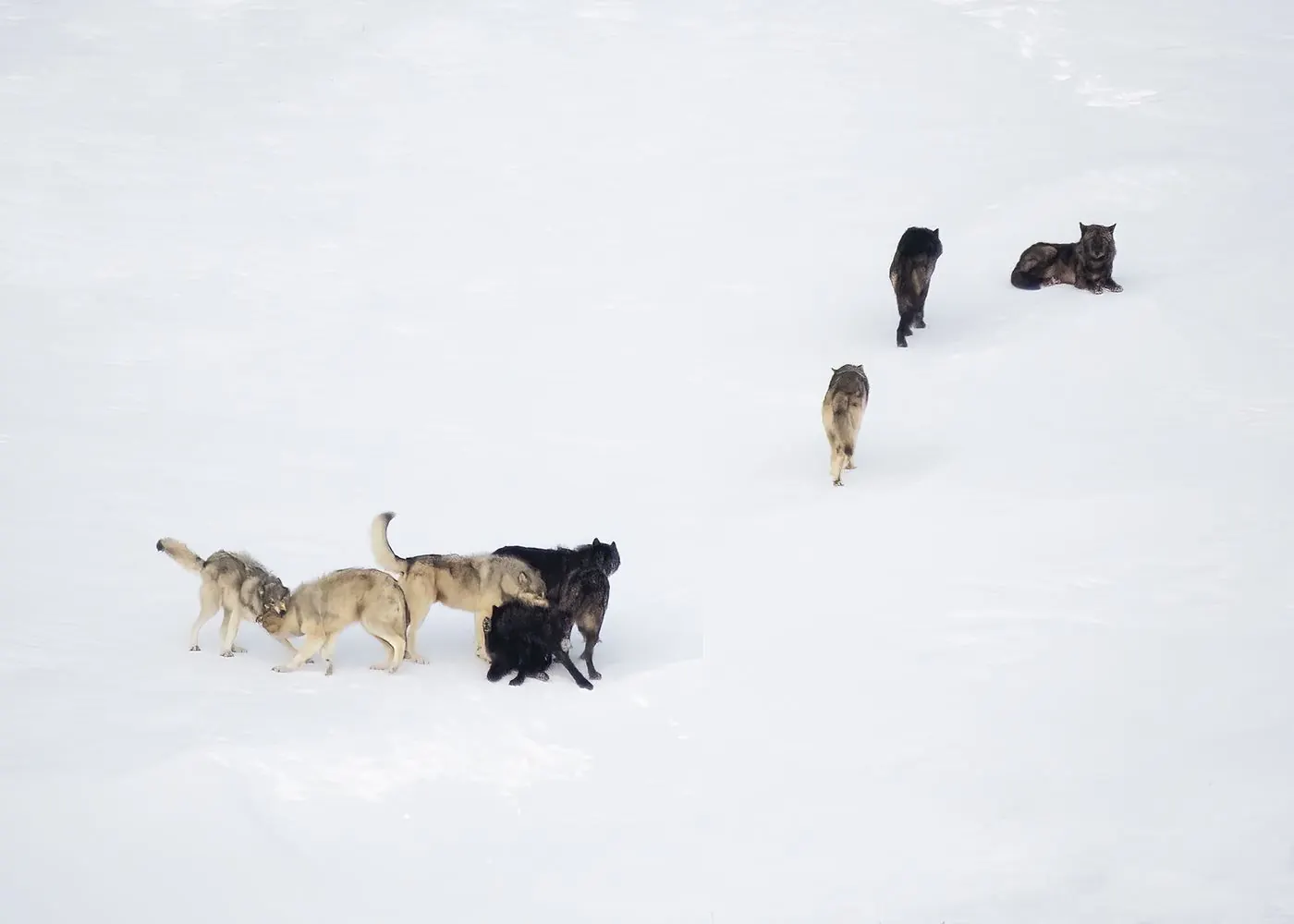
Photo · Ronan Donovan
1
Introduce yourself
Start with your name, where you live and your connection to the issue. Decision-makers give more weight to people the issue directly affects.
2
Name the issue
In one sentence, say exactly what you're writing about. For a public comment, name the rule or docket number so your comment counts toward the right decision.
3
Say why it matters to you
Your own experience and your values. That's what makes a letter human, and what shows you have a stake in the outcome.
4
Back it up
One or two facts, numbers or expert views that support your point. More than that gets skimmed.
5
End with a clear ask
Sum up your point and say exactly what you want the decision-maker to do.
07 · Op-eds and letters to the editor
Get wolves into the paper.
Editors pick what their readers see, and legislators read their local opinion page. There are two ways in. Not sure which? Write the letter: more of them run, and they run faster.
Start here
A letter to the editor
About 150 to 250 words. It answers something the paper just ran, and anyone can write one.
Answer something the paper ran. Name the article, its headline and date, in your first line. Send it within a week, while the story is still news.
Make one point. One. A letter that argues three things gets cut to none.
Use one fact. One number, with where it's from. "Wolves cause a fraction of one percent of cattle deaths, by the USDA's own count" beats five statistics.
Say why it's yours. One line on who you are: "I've guided elk hunters outside Gardiner for twenty years."
End with the ask. What should the commission, your senator or your neighbors do?
Stay under the limit. Most papers cap letters around 200 to 250 words, and they cut rather than bend.
Under your name
An op-ed
About 600 to 750 words, a full opinion column. It needs a reason you're the one to say it: you ranch, you hunt, you guide, you study wolves, you live where the decision lands.
The opening. Two or three sentences that tie wolves to something in the news this week: a commission vote, a hunting season, a federal decision, a wolf that made headlines.
Your argument. One sentence that says what you think should happen. Put it near the top, not at the end.
Three reasons. Each one a short paragraph with a fact, an example or something you've seen yourself.
The other side. Name the strongest thing the other side says, and answer it. "Ranchers lose real animals, and that cost is real. Here's what works better than killing wolves." Editors look for this paragraph.
The close. Come back to your opening, and say what has to happen next.
What makes either one run
Be local. Editors favor writers who live in the paper's area. Say where you live.
Write like you talk. Short sentences, short paragraphs, no acronyms. If your neighbor wouldn't say it, cut it.
Stay calm. Strong words about a decision are fine: "reckless," "wasteful." Attacks on people are not, and they get letters thrown out.
Get the facts right. Use numbers from the agency's own reports or from our Wolves & Cattle: The Numbers page, and say where they're from.
Name the label, don't adopt it. Wolves are "classified as" trophy game or predators by the state; they aren't those things.
How to send it
Find the paper's rules. Search "[paper name] letter to the editor" or "[paper name] op-ed submission." Follow the word limit and the format exactly.
Paste it into the email or form. No attachments.
Add your name, town, email and phone. Papers call to check before they publish. Only your name and town run.
Op-eds go to one paper at a time. Most papers won't run a piece that's also been sent to a competitor. Letters can go to more than one paper, but change the wording for each.
Follow up once. No answer in two or three days for an op-ed? Send one short note. Still nothing after another few days, send it somewhere else.
When it runs, share it and tag Team Wolf so we can share it too. Every letter that runs tells an editor readers care about this story, which makes the next one easier to place.















 teamwolf.kids · ages 8 to 12 ↗
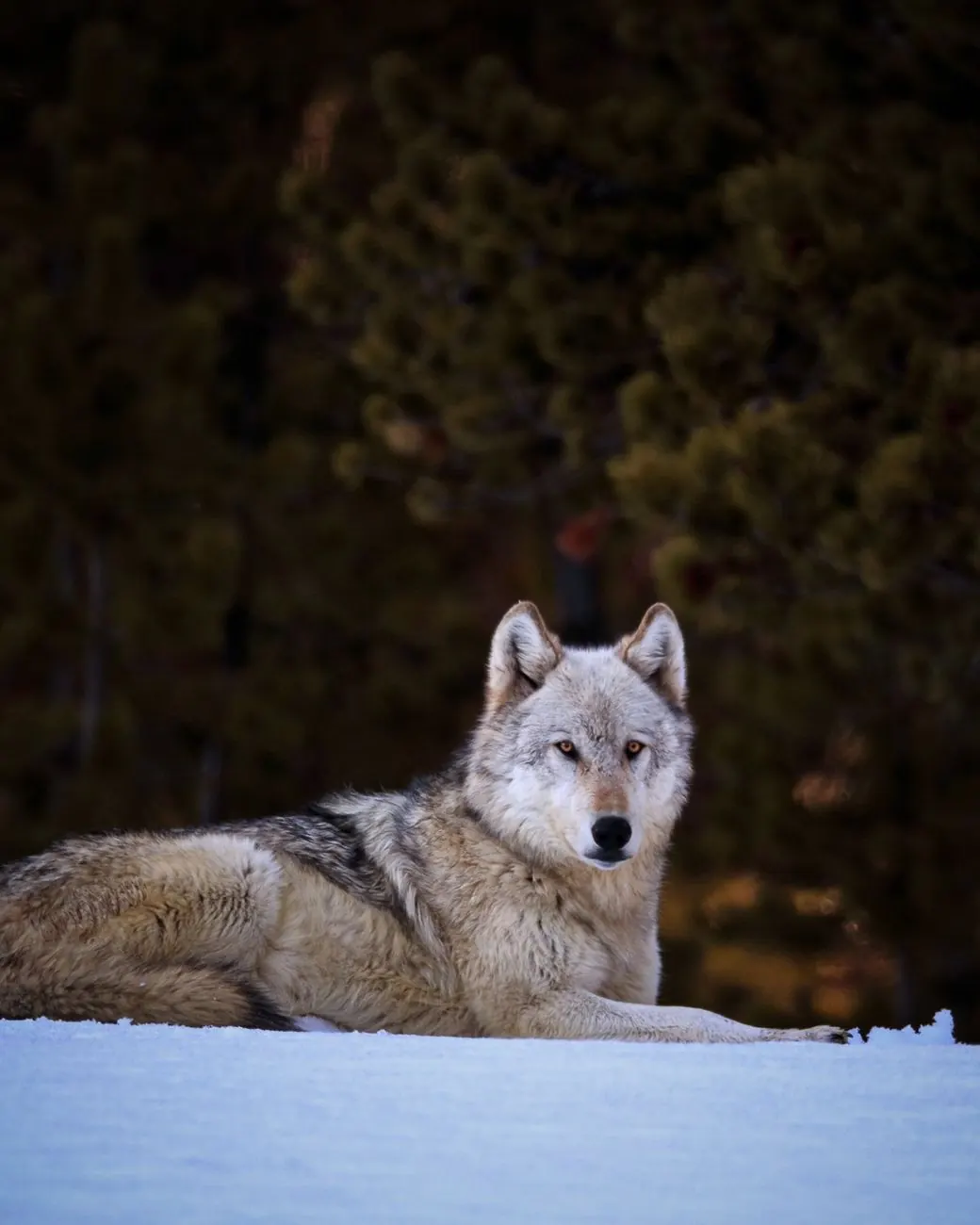


Post the ask in one click.
Ready-made posts and captions for the live ask, updated the day anything changes. Pick one, post it, tag your lawmakers.
Report card toolkit →Stamps for posters and stickers ↓